 ™
Awaab's Law: What Landlords Must Now Do About Mould
Awaab's Law came into force in October 2025, forcing social landlords to investigate and fix dangerous damp and mould within strict timeframes. Here is what it means in practice.
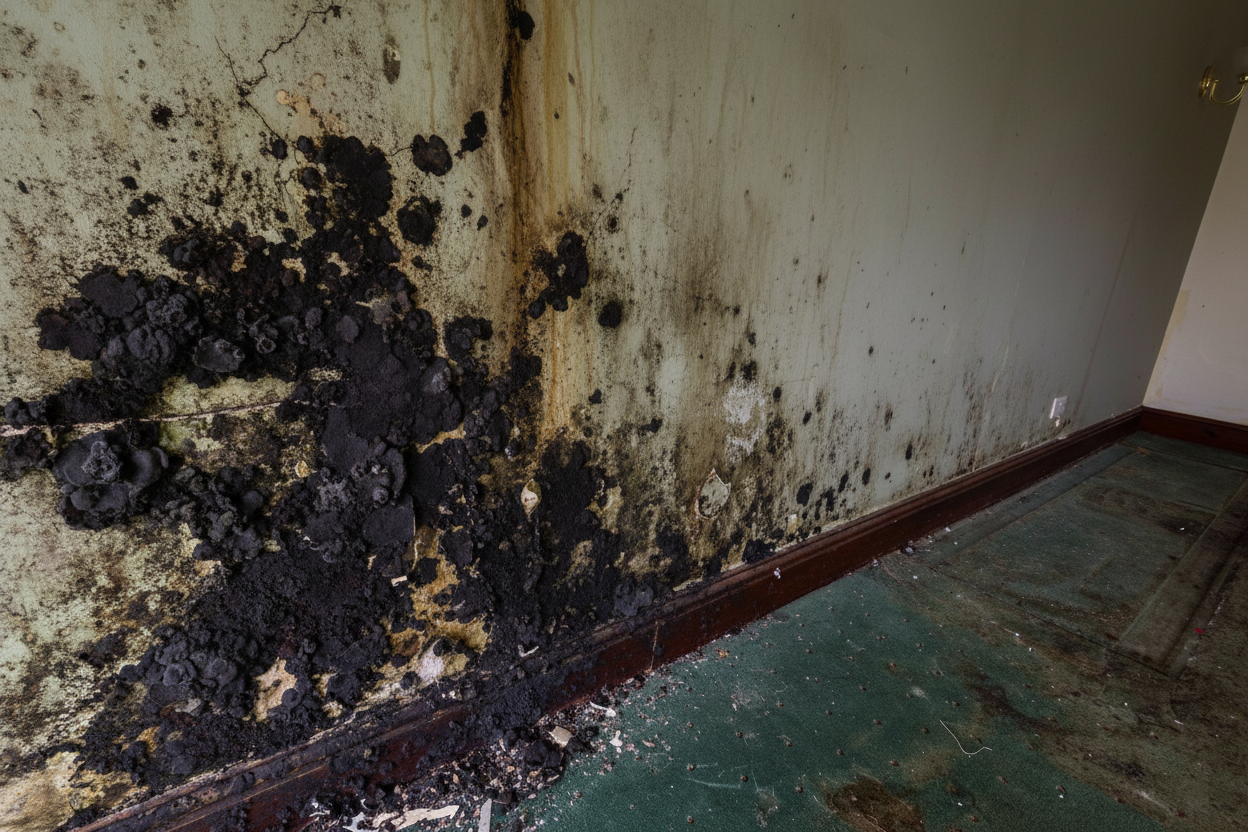
In December 2020, two-year-old Awaab Ishak died after prolonged exposure to mould in his Rochdale social housing flat. His death, and the inquest that followed, exposed a pattern of neglect that was far from isolated. Awaab's Law is the government's response — and from October 2025, it carries real legal force.
For housing professionals, social workers, and anyone supporting people in social housing, understanding what this law requires is now essential.
What Is Awaab's Law?
Awaab's Law is a set of regulations introduced under the Social Housing (Regulation) Act 2023. It places strict legal duties on social landlords — housing associations and local councils — to investigate and remedy hazardous conditions within defined timeframes.
The law is named in honour of Awaab Ishak, whose family campaigned tirelessly to ensure that no other child would suffer the same fate. Deputy Prime Minister Angela Rayner described it as a "moral duty" to prevent such tragedies from recurring.
What Does It Require?
The law is being introduced in phases, with the most urgent protections coming first.
From October 2025, social landlords must:
- Investigate reports of damp and mould that present a significant risk of harm, and begin remediation within fixed timeframes
- Respond to all emergency hazards — including severe damp and mould — within 24 hours
- Keep records of reports, investigations, and actions taken
From 2026, the requirements will expand to cover a wider range of hazards, including:
- Excess cold and excess heat
- Falls
- Structural collapse
- Fire, electrical, and explosion risks
- Hygiene hazards
From 2027, Awaab's Law will extend to all remaining hazards as defined by the Housing Health and Safety Rating System (HHSRS), with the exception of overcrowding.
The government has also introduced powers through the Renters' Rights Bill to extend Awaab's Law to the private rented sector in due course, with a consultation planned on how to apply it fairly to privately rented homes.
What Happens If Landlords Fail to Comply?
Tenants will be able to take social landlords to court if they fail to meet their obligations under the law. This is a significant shift — previously, tenants had limited and often slow routes to enforce their rights. Awaab's Law gives them a direct legal mechanism to hold landlords to account.
Landlords who fail to act face court proceedings and the reputational and financial consequences that follow.
It is worth noting that social landlords already had existing duties before this law came into force — including the obligation to keep homes fit for human habitation under the Homes (Fitness for Human Habitation) Act 2018, and to meet the Decent Homes Standard. Awaab's Law does not replace those duties; it adds clearer, stronger, and time-bound requirements on top of them.
Why This Matters in Hoarding Situations
Damp and mould are disproportionately common in homes affected by hoarding. The reasons are straightforward: poor ventilation, blocked windows, accumulated moisture from organic materials, and an inability to carry out routine maintenance all create conditions in which mould thrives.
For housing officers and social workers visiting these properties, Awaab's Law creates a new layer of obligation. If damp or mould is identified during a visit, the landlord now has a legal duty to act — and the professional who identified it may have a responsibility to report it formally.
At the same time, addressing mould in a hoarding home is rarely straightforward. Clearing the affected area, improving ventilation, and carrying out repairs requires access — and access requires the trust and cooperation of the person living there. A heavy-handed approach can destroy that trust and make the situation worse.
This is where specialist support makes a real difference. Working with someone who understands hoarding disorder, and who can help create the conditions for safe access and lasting change, is far more effective than enforcement alone.
The Scale of the Problem
The government's own figures are stark. In 2023:
- 7% of social rented homes had a damp problem
- 4% had hazards rated at the most dangerous Category 1 level under the HHSRS
These are not edge cases. They represent hundreds of thousands of homes across England where tenants are living with conditions that damage their health — and in the most serious cases, can be fatal.
What Professionals Should Do Now
If you are a housing officer, environmental health officer, social worker, or occupational therapist visiting social housing properties, Awaab's Law changes what you need to do when you identify damp or mould.
Document what you see. A written record of the condition, its location, and the date of your visit creates an evidence trail that supports any formal report.
Report it formally. Notify the landlord in writing. This starts the clock on their legal obligations.
Consider the wider picture. If the property is also affected by hoarding, a referral to a specialist organisation can help address the underlying conditions that are allowing the mould to persist — not just the mould itself.
Signpost the tenant. Tenants have the right to enforce Awaab's Law through the courts. Organisations such as Shelter and Citizens Advice can help them understand their options.
A Step Forward — But Not the Whole Answer
Awaab's Law is a meaningful step. It creates accountability where there was too little, and it gives tenants a legal tool they previously lacked. But legislation alone cannot fix the conditions that allow damp and mould to take hold in the first place.
In homes affected by hoarding, the path to a safe, healthy living environment runs through compassionate, sustained support — not just enforcement. If you are working with someone in social housing whose home has been affected by both hoarding and damp or mould, we are here to help.
Explore Topics
Written by
Hoarding Helpers
Content creator and writer sharing insights and stories.

